Since the advent of generative art, artists have used algorithms and technology to create works of art that evolve and change over time. As this art form becomes more sophisticated and accessible, it is possible to see a change in the way artists create, sell and present their work.
And although what I am going to present here is an exercise in the imagination (and the imagination of artists is endless); There are indications that lead me to think that within the next 10 years art and artists will become a model whose final results we are still far from imagining.
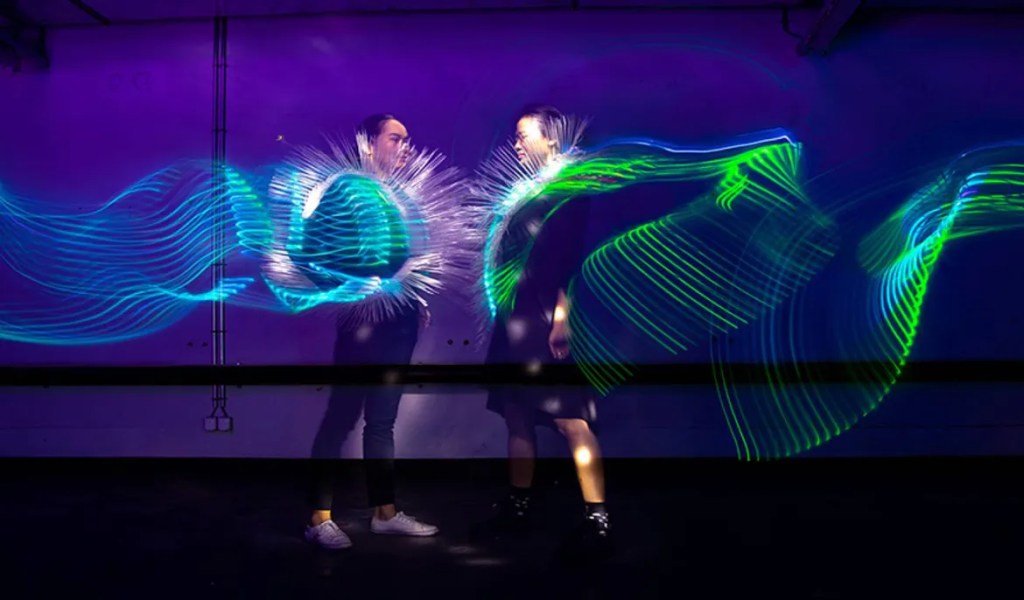
artist: Espen Kluge

One of the greatest advantages of generative art is its ability to create unique and unrepeatable works that are constantly changing and evolving. This can change the way artists interact with each other, with their work, and with their intended audience. Before, an artist could create a limited number of works in time; and each copy or variant was previously known, intervened and approved by the artist. Now, thanks to the plasticity of the algorithm; works capable of emitting hundreds or even thousands of variants can be created, many of which will be totally unknown to the artist. This has given rise to the concept of rarity, which in traditional art is unnecessary because there, everything is rare and unique.
Works can also be created that are transformed and even destroyed over time; works that reproduce (yes, as you hear it) with other works of art, and even works that change minute by minute depending on the information they collect from internet or social media. In conclusion: the immovable and eternal works of art that we are used to, could become a classic rarity in the course of a few decades.

Technology can also change the way artists sell and present their work. Digital platforms can make it easier for artists to generate income from their work, as they can directly sell their work or create online auctions with a couple of clicks. This can also alter the relationship between artists and collectors, since collectors can buy directly without a curator or advisor to guide their purchase decision, limiting the bulk of intermediaries that we are used to in the traditional art market.

Finally, technology can change the way the public experiences the artwork. Generative works can create more immersive and participatory interactions between the public and the artwork, which can increase appreciation and understanding of the work. Furthermore, generative works can evolve and change in response to the public, which can create a more dynamic and collaborative relationship between the public and the artwork.


 The Gornajur Jarjar machine